
Nov 10, 2026 · by Greg Davies
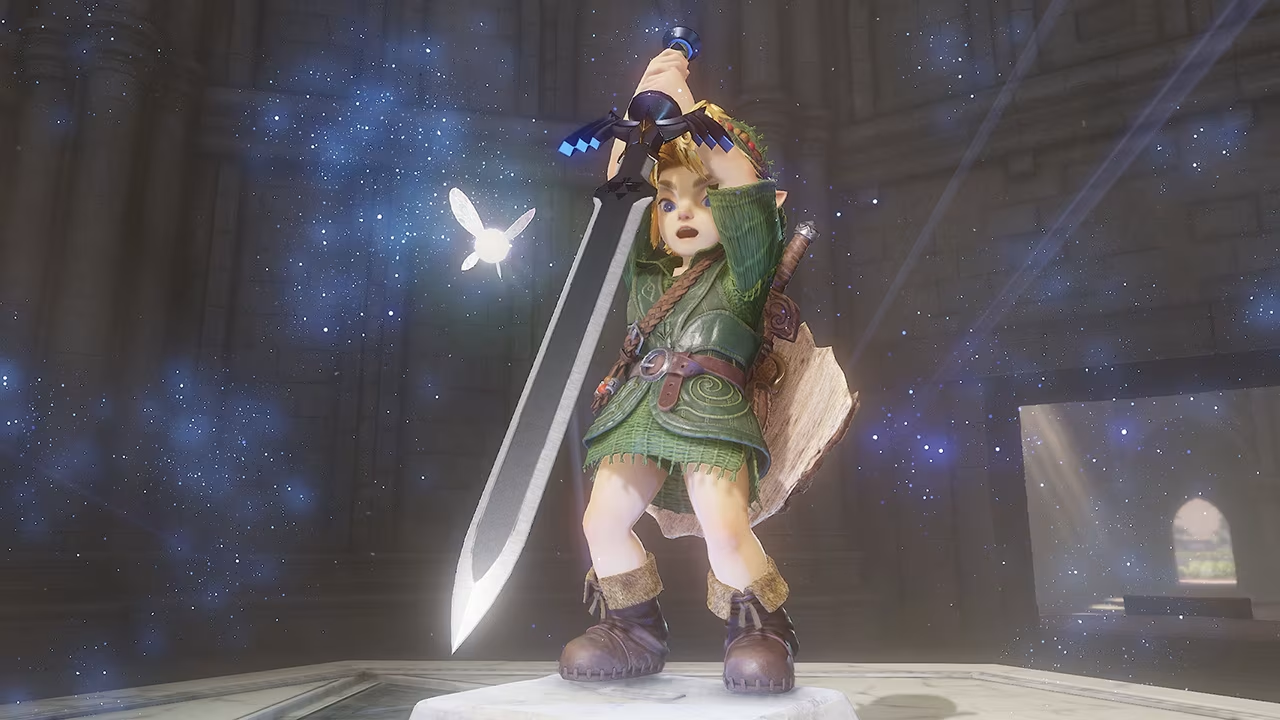
Verdict: 9.5 / 10. Nintendo rebuilt Ocarina of Time from the ground up for Switch 2. It is now the best way to play one of the most important games ever made. It keeps the heart of the 1998 classic and smooths away most of what has aged badly.
| Platform | Nintendo Switch 2 (exclusive) |
| Developer / Publisher | Nintendo |
| Release date | November 5, 2026 |
| Price | $69.99 physical / $59.99 digital |
| Score | 9.5 / 10 |
In 1998, Ocarina of Time showed the industry how to make a 3D action-adventure. Lock-on targeting, context-sensitive buttons and dungeons built around one new tool all started here, and almost every adventure game since has borrowed from them. That legacy makes a remake risky. If it changes too much, it stops being Ocarina. If it changes too little, it feels like a museum piece.
This remake sits close to the right spot. Hyrule, the dungeons and the story are all where you remember them. The way you move through them, see them and hear them has been brought into the modern era. A couple of small decisions keep it from a perfect score, but this is an essential Switch 2 game.
A Hyrule that finally matches the memory
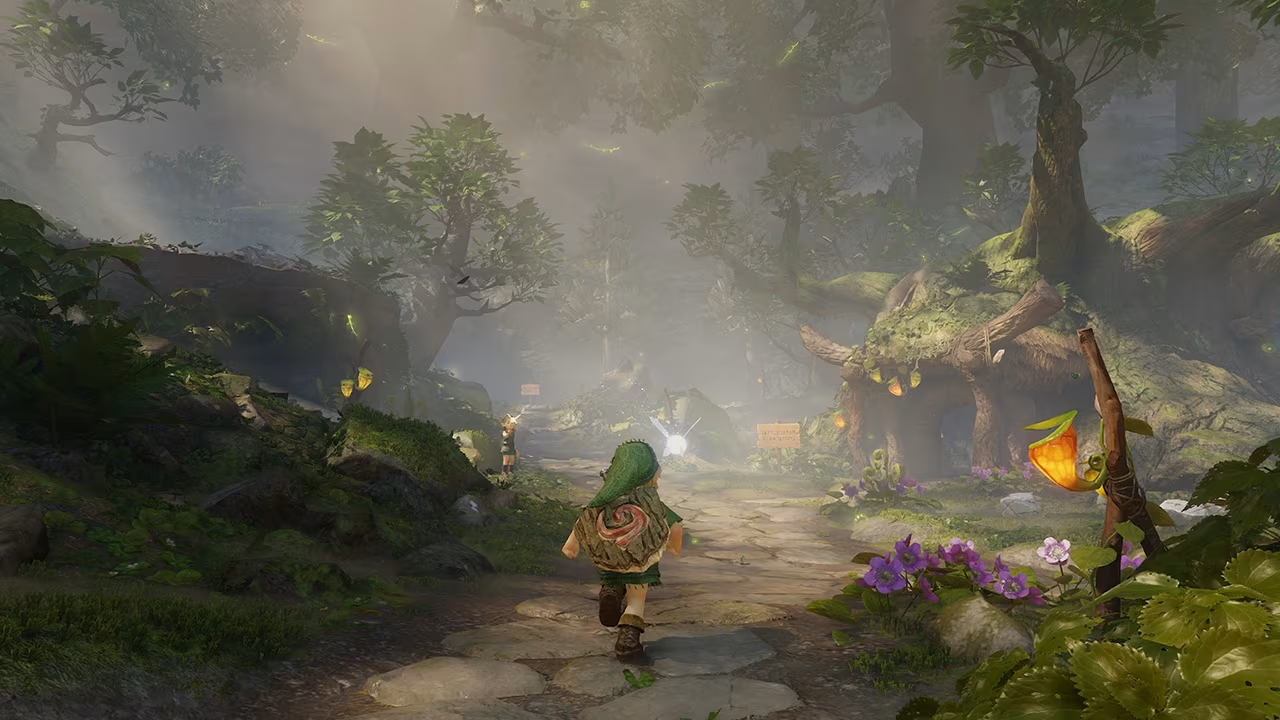
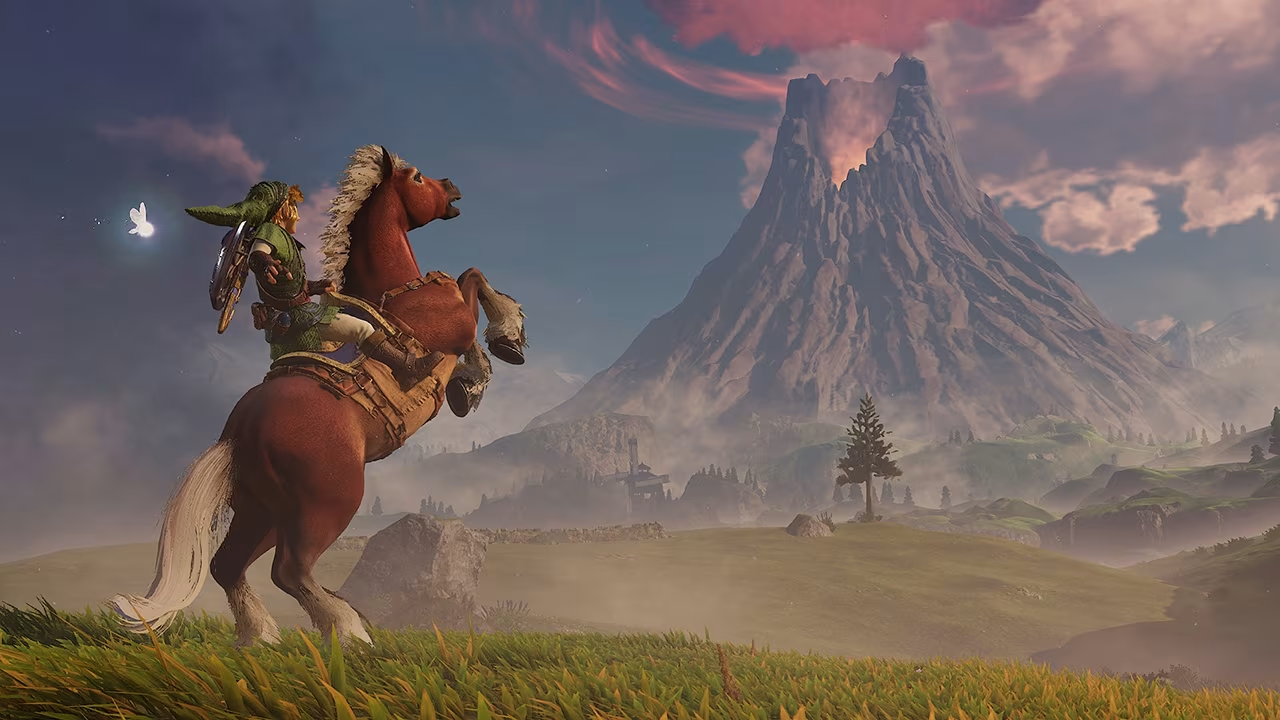
The biggest change is how the game looks, and it is easily one of the best-looking games on Switch 2. Kokiri Forest is thick with moss, leaves and running water. Hyrule Field, once a big empty green square, now has tall grass, streams and real depth. Interiors that used to be flat painted backdrops are now fully modeled rooms you can look around.
Much of the charm is in small details. Link’s tunic gets darker when it’s wet. Dust hangs in the light of the Temple of Time. Fog drifts and swirls around Link in caves and dungeons. Nothing here reinvents the art direction. It simply looks the way many of us pictured it as kids, when we filled in the gaps of blurry N64 textures in our heads.
The new detail also makes the scary parts scarier. ReDeads are horribly lifelike, Stalchildren claw their way out of the dirt at night, and the Happy Mask Salesman is more unsettling than ever. The game’s creepy streak has always been part of its identity, and the remake leans into it.
Performance is excellent. The game runs at a locked 60 frames per second, about three times smoother than the original. In handheld mode the image is a little soft at times, landing somewhere between 720p and 1080p. That’s acceptable, but noticeable on the Switch 2’s sharp screen.
It finally controls like a modern game
The old game didn’t have a jump button. Link hopped automatically when he ran off a ledge. The remake adds a dedicated jump, a sprint, and a camera you can move freely with the right stick. These three changes alone make it feel like a different game in your hands. Platforming that used to feel like guesswork is now precise, and getting around Hyrule Field on foot is no longer a chore.
Combat keeps the lock-on targeting that the original invented, and it still works well. Sword swings have more weight, with new effects that make each hit land. Link also has quicker attacks, jump slashes and better dodges, while enemies hit harder to balance things out.
Item management is better too. A quick-select menu lets you swap gear without pausing the game. The Iron Boots, famously painful to equip in the original, now go on and off with a press of the D-pad.
If you came to Zelda through Breath of the Wild or Tears of the Kingdom, this is the most comfortable way into the older, more linear style of the series.
Familiar dungeons with new surprises
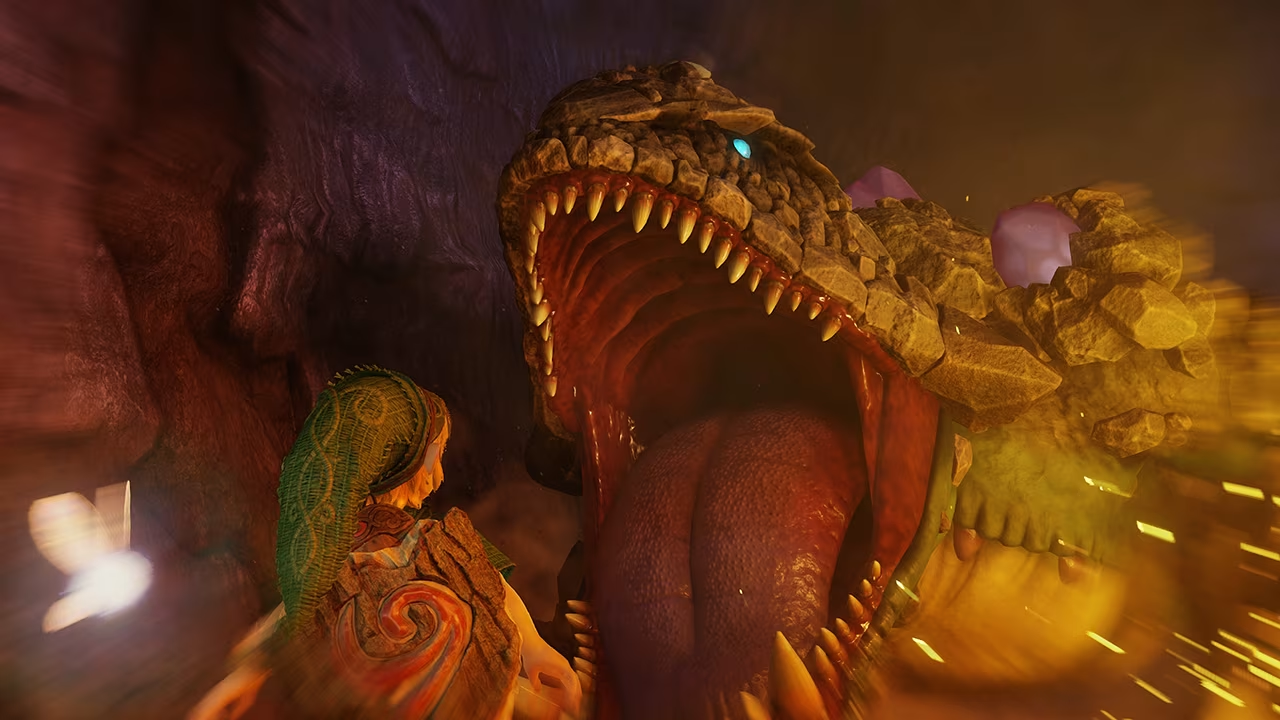
The dungeons appear in the same order, with the same themes and the same bosses. Inside, though, many rooms and puzzles have been rearranged. In the Great Deku Tree, a crumbling bridge and a pulley puzzle replace some of the old climbing. In the Forest Temple, a central lift cuts down on ladder trips, and a new torch puzzle has been added. Veterans can’t just play on autopilot, and that keeps things fresh.
The Water Temple, the dungeon everyone loves to hate, has been reworked. There are fewer small keys to track, a clearer main path, see-through walls and quick boot swaps. It’s no longer a slog, and most players will be glad of that.
The dungeons are still the high point. Each one is built around a single idea and a single new item, and solving them still feels great. There’s no experience grind and no checklist of side activities, just a steady run of well-built levels.
Music you can hum along to, literally
The soundtrack has been fully re-recorded with an orchestra, and it’s the best thing about the remake. Every melody you remember is still there, just bigger and richer. Some tracks, like the house theme and the Hyrule Castle courtyard, stay close to the original instruments. Hyrule Field and the other overworld areas now have their own night themes instead of falling silent after dark.
The best new feature uses the Switch 2’s built-in microphone. You can still play songs with buttons, but you can also hum a melody, or play it on a real instrument, and Link will play it on his ocarina. Humming Epona’s Song to call your horse sounds like a gimmick. In practice, it’s charming. It makes the ocarina feel like something you perform, not a menu you operate.
For the first time, key scenes are voiced. Navi, the Great Deku Tree, Zelda and Ganondorf now speak, while Link stays silent. Ganondorf gets the most out of it, with more screen time and extra dialogue that make him a more menacing villain. Some performances are a bit overdone, but they rarely break the mood.
Smarter, gentler, less annoying
The remake includes many quality-of-life improvements, some carried over from the 3DS version:
- Threads of Time: a tapestry-style quest log that records the story so far and gently points to your next goal.
- Hall of Fallen Foes: a gallery of defeated enemies where you can fight bosses again.
- Less nagging: Navi no longer shouts “Hey! Listen!” constantly, and Kaepora Gaebora the owl stops repeating himself.
- Skippable song scenes: once you’ve seen an ocarina song play, you can skip it.
- Living Castle Town: townsfolk follow day and night routines, a nice nod to Majora’s Mask.
- Bigger wallets: each wallet holds twice as many rupees.
- Zelda Notes: the phone app tracks your completion and helps you find missing collectibles.
None of these change what Ocarina of Time is. They just remove friction that made it hard to recommend to newcomers. The physical edition is also the full game on the cartridge, with no download required.
What keeps it from a perfect 10
The remake plays it safe. Nintendo improved almost everything but reinvented almost nothing, so there’s no new dungeon, region or story chapter. That’s a fair choice for a game this loved, but anyone hoping for a bold reimagining won’t find one.
It’s also too easy. Enemies hit harder, but Link’s new moves more than make up for it. Combat rarely tests you outside the boss fights. The cleaner dungeon paths and the helpful quest log also take away some of the original’s mystery. Part of the magic in 1998 was being lost and figuring it out yourself.
A few smaller problems add up:
- Only one manual save slot. The other slots are autosaves only, which is a strange step back for a game families share.
- No Master Quest and no New Game Plus at launch. To reach 100% after the final boss, you need to load an earlier save.
- Sprint is mapped to A by default. That’s awkward when you’re steering the camera with your thumb. It can be remapped, but it’s a poor default.
- Pricier Great Fairy upgrades. Some now cost up to 500 rupees, which offsets the bigger wallets.
- Slower opening. The new cutscenes can drag in the first couple of hours.
The verdict: 9.5 / 10
Ocarina of Time on Switch 2 is the definitive version of a masterpiece. It looks and sounds wonderful, controls like a modern game and keeps the dungeon design that made it famous. Its faults come from caution, not carelessness. It could have been braver, harder and a little more generous with extras. Still, whether you’re returning to Hyrule for the tenth time or playing it for the first time, this is easy to recommend.
| What we liked | What we didn’t |
|---|---|
| Stunning rebuild of Hyrule with a locked 60 fps | Plays it very safe, with no new content |
| Jump, sprint and free camera transform movement | Combat is too easy |
| Gorgeous orchestral score with new night themes | Cleaner dungeons lose some mystery |
| Humming songs into the mic is a delight | Only one manual save slot |
| Remixed puzzles keep veterans on their toes | No Master Quest or New Game Plus at launch |
| Smart quality-of-life touches throughout | Handheld image can look soft |
Final score: 9.5 / 10. It’s a must-play, and the new best way to experience a classic.


